If you’re looking at cash for houses Miami offers, the first thing you’ll notice is that the number is lower than what a listed house might sell for. That’s true, and anyone who tells you otherwise isn’t being straight with you. The better question is how much lower once you count everything that comes out of a retail sale.
Most people compare the cash offer to the listing price. That’s the wrong comparison. Here’s the right one.
Why Cash Offers Are Lower
A cash buyer takes on work and risk that a retail buyer won’t. We pay for repairs, carry the property while it’s being fixed, pay costs when we resell, and take the chance that the market shifts or the repairs cost more than planned. The offer reflects all of that.
Many investors start with what the house would be worth after repairs, then subtract the repair costs and a margin for expenses and profit. Every house is different, and a good buyer will explain how they got to their number instead of just throwing one out.
What Actually Comes Out of a Listed Sale
A retail sale price isn’t what you take home. Before you see a dollar, several costs come out:
- Agent commissions, which are negotiable but have traditionally been a meaningful slice of the price
- Repairs and prep to get the house show-ready or to satisfy the buyer’s inspection
- Buyer concessions, like credits toward their closing costs or repairs
- Seller closing costs, including title charges and Florida’s documentary stamp tax on the deed
- Holding costs while the house is listed: mortgage, taxes, insurance, utilities, and HOA dues
- The cost of a deal falling through and starting over
An Example: Listing vs. Cash
Here’s an illustrative example using made-up but realistic numbers for a Miami-area house that needs some work. Your numbers will be different, but the categories will be the same.
| Cost Item | Traditional Listing | Cash Sale to Antlop |
|---|---|---|
| Sale price | $400,000 | $330,000 |
| Agent commissions | minus $20,000 | $0 |
| Repairs and prep | minus $15,000 | $0 (sold as-is) |
| Buyer concessions | minus $6,000 | $0 |
| Seller closing costs | minus $8,000 | $0 (no fees or costs to sell to us) |
| Holding costs (4 months vs. 2 weeks) | minus $12,000 | minus $1,500 |
| Estimated net to you | $339,000 | $328,500 |
In this example, the headline gap is $70,000. The real difference in what you keep is about $10,500, and the cash sale closes months sooner with no risk of a buyer’s loan falling through. For some sellers that gap is worth it. For others it isn’t. Both are reasonable decisions. Notice, too, that the listing column assumes everything goes right. If the first buyer’s loan falls through and you relist, the holding costs keep climbing and the gap gets smaller.
When the Gap Is Bigger
The difference tends to be larger when the house is in good shape, the market is strong, and you have time. If your house is move-in ready and nothing is forcing a quick sale, listing may put more money in your pocket. We’ll tell you that honestly, and we can refer you to a licensed agent we trust.
When the Gap Shrinks or Disappears
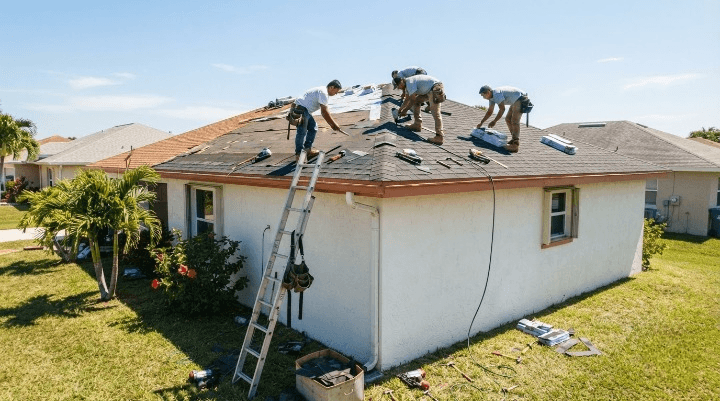
The gap usually shrinks when the house needs serious work, because many retail buyers can’t get a loan on a house with a bad roof or major damage. It shrinks when you’re facing foreclosure, since every month adds late fees, interest, and legal costs. And it shrinks when you’re paying for a house you don’t live in, like an inherited property or a vacant rental.
Foreclosure deserves a special mention. We’ve seen homeowners pay an attorney $500, $1,000, or $1,500 a month to “keep them out of foreclosure” while nothing happens in the case. That money comes straight out of their equity. Selling early can mean walking away with real cash instead of nothing. See 5 situations where selling fast beats waiting for more.

How to Compare Your Own Numbers
Ask a local agent what your house would likely sell for and what they’d want fixed first. Then add up commissions, repairs, closing costs, and a few months of holding costs. Compare that net number to a written cash offer. If you want help running the math, call us. We’ll go through it with you even if the answer is “list it.”
For more on the numbers, read selling a house as-is in Miami and why the 2026 cash-sale math changed.
Want a Real Number on Cash for Houses in Miami?
The listing price is the headline. What you keep is what matters. Antlop Investment Properties has been buying homes across South Florida since 2012, with a real office in Miami Lakes, a BREIA endorsement, and no fees or commissions. Get a written offer, compare it to your net, and decide what’s right for you.
Get My Fair Cash Offer →