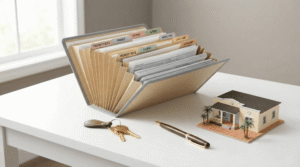
Paperwork is the part of learning how to sell a house in Florida that nobody enjoys. It’s also what causes the most delays when something’s missing. A deed nobody can find, an HOA that’s slow with its estoppel letter, or probate papers that were never filed can hold up a closing for weeks.
Here’s what you’ll typically need, why each one matters, and what changes when you sell to a cash buyer instead of listing.
The Basics Every Seller Needs
- Government-issued photo ID. Everyone on the deed signs at closing and needs ID, usually a driver’s license or passport.
- The deed. It shows who owns the property. If you can’t find your copy, the title company can pull the recorded deed from the county.
- Your mortgage information. The lender’s name, your loan number, and a signed authorization so the title company can request a payoff statement.
- Property tax information. Recent tax bills help the title company figure out what’s owed or prorated.
- Your owner’s title insurance policy, if you have one. It can speed up the title search.
- A survey, if you have one. It’s not always required, but it helps.
Documents for Condos and HOA Communities
If your home is in a condo or a homeowners association, the title company will request an estoppel certificate. It states what you owe the association, including dues, special assessments, and fees. Florida law sets rules for how associations handle these requests, including deadlines and fee limits. Give the title company the association’s contact information early so this doesn’t hold things up.

Disclosures Florida Sellers Should Know About
Florida sellers have a legal duty to disclose known problems that affect the home’s value and that a buyer couldn’t easily spot. That duty comes from Florida case law and applies whether or not you use a disclosure form. Many listings use a standard seller’s disclosure form to cover it.
If the house was built before 1978, federal law also requires a lead-based paint disclosure. When you sell to a cash investor buying as-is, disclosure is simpler, but you should still be honest about what you know. We’ve bought houses with mold, fire damage, and caved-in roofs. We’d rather hear about it upfront.
Special Situations and the Paperwork They Need
| Situation | Documents You’ll Likely Need | Why |
|---|---|---|
| Inherited house | Death certificate, the will if there is one, probate court orders or letters of administration | Proves who has legal authority to sell |
| Divorce | Final judgment or marital settlement agreement | Shows who owns the house and who has to sign |
| Someone signing for the owner | A valid power of attorney that can be recorded | Lets another person sign legally |
| Foreclosure in progress | Lender contact, case number, any court notices | The title company has to coordinate the payoff |
| Short sale | Hardship letter, financial statements, lender approval letter | The lender must approve accepting less than owed |
| Rental property | Leases, security deposit records, tenant contact info | The buyer takes over the lease or the tenants move out |
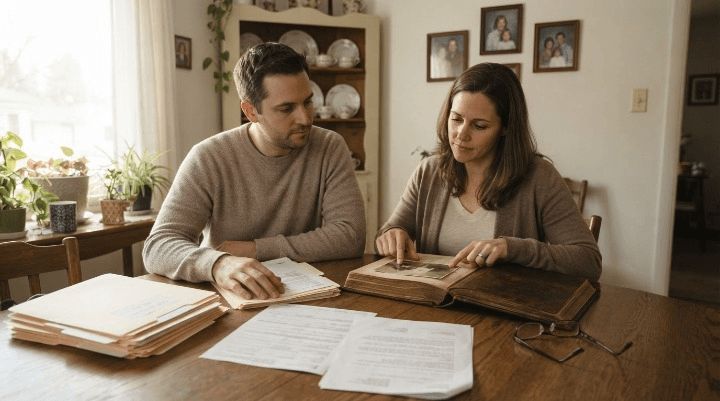
Inherited houses are one of the most common situations we see. If the owner passed away and the estate hasn’t gone through probate, that’s usually the first step. Our guide on selling an inherited house in Florida explains how it works.
What About Liens and Code Violations?
The title search turns up anything recorded against the property: second mortgages, tax liens, judgments, and city or county code liens. You don’t need to bring paperwork for these, but it helps to mention anything you already know about. Miami, Hialeah, and Miami Gardens code liens come up often, and we buy houses with them regularly. See what happens to liens and back taxes when you sell.
What’s Different With a Cash Sale
When you list with an agent, the buyer’s side brings a lot more paperwork: loan documents, an appraisal, lender-required inspections, and repair requests. A cash sale removes most of that. You won’t have a buyer’s lender asking for more documents a week before closing.
With Antlop Investment Properties, the title company does the heavy lifting. You bring your ID and whatever documents fit your situation, and we’ll tell you ahead of time exactly what’s needed. If you’re thinking about selling on your own, see selling a home without an agent in Miami for the extra paperwork that comes with it.
A Quick Checklist Before You Call
Have your ID, your deed or at least the address, your mortgage lender’s information, your HOA contact, and any probate, divorce, or power of attorney papers nearby. If you don’t have everything, that’s okay. Missing paperwork is fixable, and we’ll walk you through it. For the full picture of a fast sale, read the complete guide to selling your house fast for cash in South Florida.
Want to Know How to Sell a House in Florida Without the Paperwork Headache?
The paperwork is manageable when someone tells you exactly what’s needed and a title company handles the rest. Antlop Investment Properties has been buying homes across South Florida since 2012, with a real office in Miami Lakes, a BREIA endorsement, and no fees or commissions. Call us and we’ll walk you through it, whether we do business or not.
Get My Fair Cash Offer →