
If you are behind on your mortgage and searching for a short sale specialist in South Florida, you already know something the search results do not always make clear. Not every real estate agent who lists short sales as a specialty has actually closed one under a strict court deadline. The gap between someone who knows the paperwork and someone who has negotiated directly with your specific lender’s loss mitigation department is the gap that decides whether you keep some equity, walk away clean, or end up watching your home go to a sheriff’s sale.
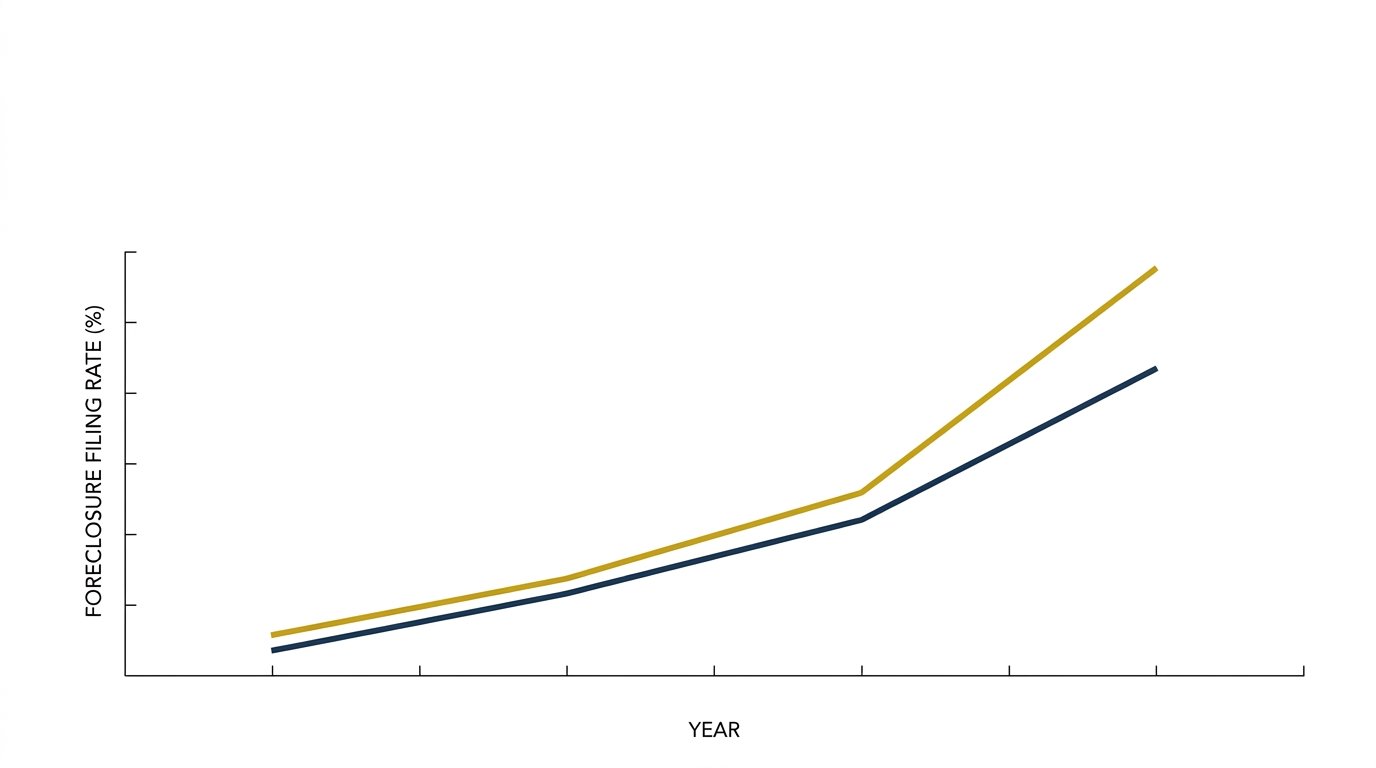
Get My Fair Cash Offer →South Florida’s numbers explain why this conversation keeps coming up. ATTOM’s Q1 2026 foreclosure data put Broward County at one filing for every 703 housing units, the highest rate in the Miami-Dade, Broward, and Palm Beach tri-county area, and up nearly 25 percent from a year earlier. Miami-Dade filings were flatter quarter over quarter but still climbing year over year. None of that means a foreclosure wave is guaranteed. It does mean the courts here are actively processing cases, not sitting on them, and homeowners who wait to see what happens are often surprised by how fast a case can move once a lender actually files.
This guide covers what a qualified short sale specialist actually does, how the process works from a missed payment to a closed sale, the warning signs that mean you should not wait any longer to make a call, and when a short sale is not the right tool for your situation at all.
What a Short Sale Actually Is, and Who It Is For
A short sale happens when your lender agrees to let you sell your home for less than what you owe on the mortgage, and accepts that sale price as full or partial satisfaction of the debt instead of foreclosing. The lender still has to approve the price, the buyer, and often the timeline, which is the part most homeowners underestimate going in. You are not just selling a house. You are negotiating a debt settlement that happens to be structured as a real estate transaction, and the lender’s loss mitigation department is the one holding most of the leverage.
A short sale tends to make sense if you have little or no equity, you are already behind on payments or about to fall behind, and you want to avoid a foreclosure judgment showing up on your record. It is usually a poor fit if you have significant equity, since a traditional sale or a direct cash offer will likely net you more money without a lender’s approval process attached. It is also a poor fit if your lender will not cooperate on any workable timeline, or if you genuinely need to move faster than a lender review typically allows. Short sales can take sixty to one hundred twenty days or longer just for lender sign-off, on top of however long it takes to find a qualified buyer.
Short Sale vs. Foreclosure: What Is Actually at Stake
Homeowners often assume a short sale and a foreclosure land in roughly the same place financially. They do not. The difference shows up in your credit report, in whether the lender can come after you later for the unpaid balance, and in how much say you have in the outcome.
| Factor | Short Sale | Foreclosure | Notes |
|---|---|---|---|
| Credit impact | Less severe, often shorter-lived | More severe, longer-lasting | Can affect new-mortgage eligibility for years |
| Deficiency judgment risk | Frequently waived in approval | Lender can pursue balance | Varies by lender and case |
| Control over timeline/buyer | You and your agent negotiate | Court and lender set schedule | – |
| Shows on background checks | Rarely | Yes, public record | Can affect rentals, some jobs |
That does not make a short sale automatically the right move. It just means the two paths are not interchangeable, and the choice deserves more thought than whichever option the loudest online ad happens to push.
What Makes Someone a Qualified Short Sale Specialist
Anyone with a Florida real estate license can put “short sale specialist” on a business card. What actually separates someone who can get your file approved from someone who is guessing comes down to a handful of things.
- They have negotiated with loss mitigation departments directly, not just filled out the initial application on a homeowner’s behalf. Every major servicer, whether it is Wells Fargo, Chase, Mr. Cooper, or a smaller regional bank, runs its own internal process with its own required forms and unofficial quirks. A specialist who has worked with your specific lender before usually knows what triggers a denial before they submit anything at all.
- They understand both Miami-Dade and Broward court timelines, because a short sale racing against an active foreclosure case runs on the court’s clock, not the lender’s. Miami-Dade’s 11th Judicial Circuit and Broward’s 17th Judicial Circuit do not move at identical speeds, and a specialist working across both counties should be able to tell you, at least roughly, how much runway you have left.
- They can read a payoff statement and a title search, and catch a second mortgage, an HOA lien, or a code enforcement violation before it blows up the deal at the closing table instead of after.
- They communicate on your schedule, not just their own. If you are three weeks from a scheduled sale date, a specialist who takes two days to return a phone call is not the right fit, no matter how many short sales appear on their resume.
The Short Sale Process, Step by Step
The process itself is fairly consistent from lender to lender, even though the pace varies.
- Hardship documentation. You will need a hardship letter explaining what changed, recent bank statements, tax returns, and pay stubs or proof of reduced or lost income. This paperwork is the foundation the entire negotiation gets built on.
- Listing and offer. Your specialist lists the home and negotiates a buyer offer realistic enough for the lender to actually approve. Pricing it too high just to look good on paper usually backfires.
- Lender submission. The full package, including the hardship letter, financials, purchase contract, and a preliminary settlement statement, goes to the lender’s short sale department for review.
- Lender review and counter. This is where most delays happen. Lenders may counter on price, request more documentation, or bring a second-lien holder into the conversation.
- Approval letter. The lender issues a short sale approval letter specifying the accepted price, any deficiency terms, and a closing deadline, usually thirty days out.
- Closing. Title work finalizes and the sale closes.
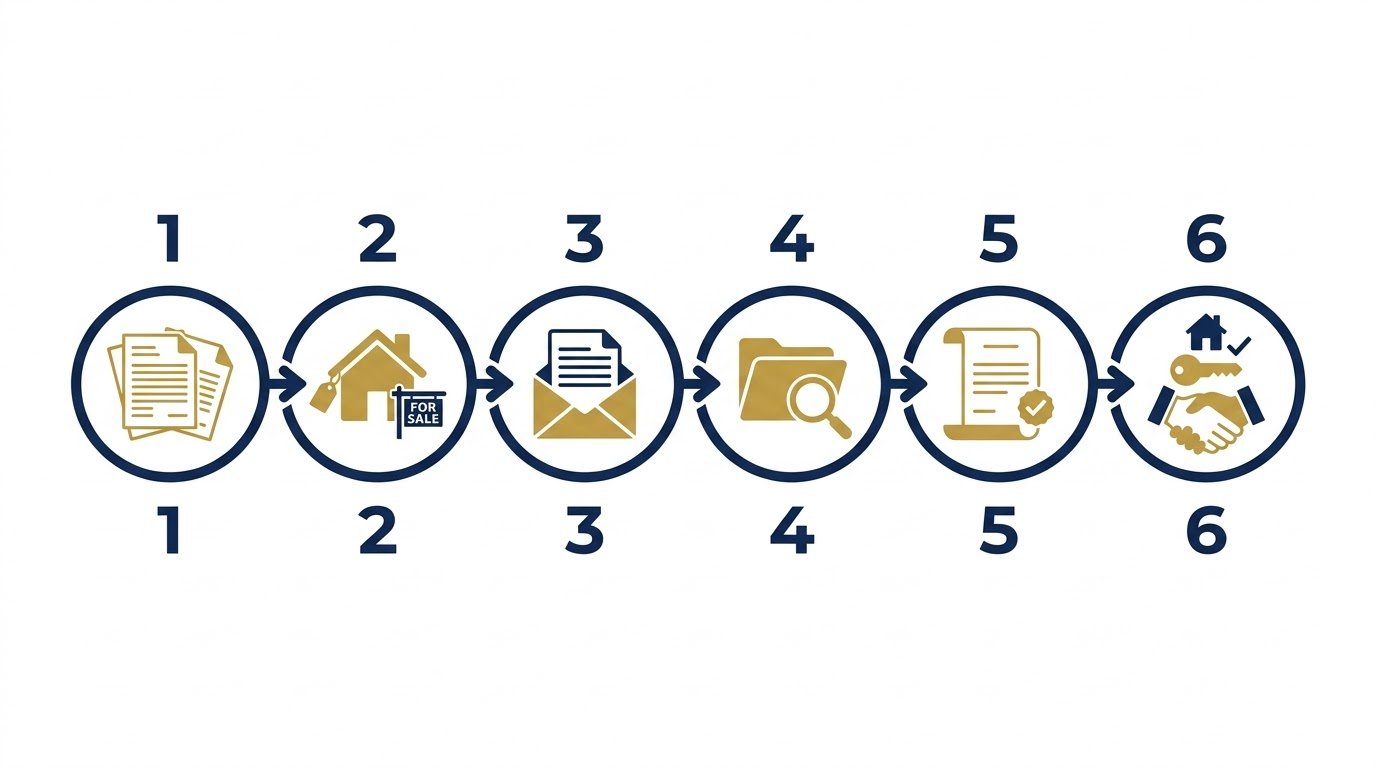
Realistically, from the day you sign a listing agreement to a closed sale, expect somewhere between three and six months. Add another month or two if you are negotiating a second mortgage or an HOA lien alongside the primary one.
Warning Signs You Should Not Wait to Call a Specialist
Waiting rarely helps a short sale case. It mostly just shrinks the runway you have to work with. If any of the following apply to you right now, that is the signal to make the call today rather than next month.
- You have missed two or more mortgage payments.
- You have received a Notice of Default or a formal breach letter from your servicer.
- You have already been served with a foreclosure complaint, which in Florida generally gives you only twenty calendar days to file a written response. Our companion guide on the five biggest red flags that mean you need a specialist now walks through this stage in more detail.
- Your HOA has filed or threatened to file a lien.
- You genuinely do not know how much you owe once you add up your first mortgage, any second lien, and back taxes together.
When a Short Sale Is Not the Right Fit
Sometimes the honest answer is that a short sale simply takes longer than your situation allows. If you have inherited a property already tangled up in probate and cannot wait through a ninety-day lender review on top of that, our guide to selling an inherited property in Florida covers that specific scenario in depth. If you are going through a divorce or relocating for a job and need certainty on a closing date rather than a lender’s best guess, our guide to selling during a divorce or relocation covers that path instead. In either case, a direct cash sale can often resolve things in one to two weeks, instead of one to two full lender review cycles.
It is also worth checking our guide on the Miami-Dade lis pendens filing process if you have already been served, since that filing is the public record marker that starts the court’s clock. For the full foreclosure timeline beyond just the short sale option, our complete guide to getting out of foreclosure in Florida walks through every stage in more detail.
How Antlop Supports Homeowners Through Either Path
We do not push every homeowner toward the same solution, because there is not one solution that fits everybody. When a short sale makes sense, meaning there is enough time left, a cooperative lender, and a case that is not racing an imminent sale date, we work the negotiation directly with your servicer. When the clock has effectively run out, or the numbers simply make more sense as a straight cash sale, we make a fair, funded offer and close on your timeline, often within two weeks.
For homeowners specifically weighing a short sale specialist in Miami, our companion piece on the five warning signs that mean you need one now goes deeper into the urgency side of this decision. HUD’s own foreclosure avoidance resource center is also a solid, free, non-commercial source worth reading before you talk to anyone trying to sell you something.
If you are not sure which path fits your situation, that is a completely normal place to be. Most homeowners we talk to are not sure either, until we sit down and walk through the actual numbers together. Contact us for a free, no-obligation conversation, or browse more South Florida homeowner guides on our blog covering foreclosure timelines, lien searches, and inherited property sales. You can also find us and read homeowner reviews on our Google Business Profile.